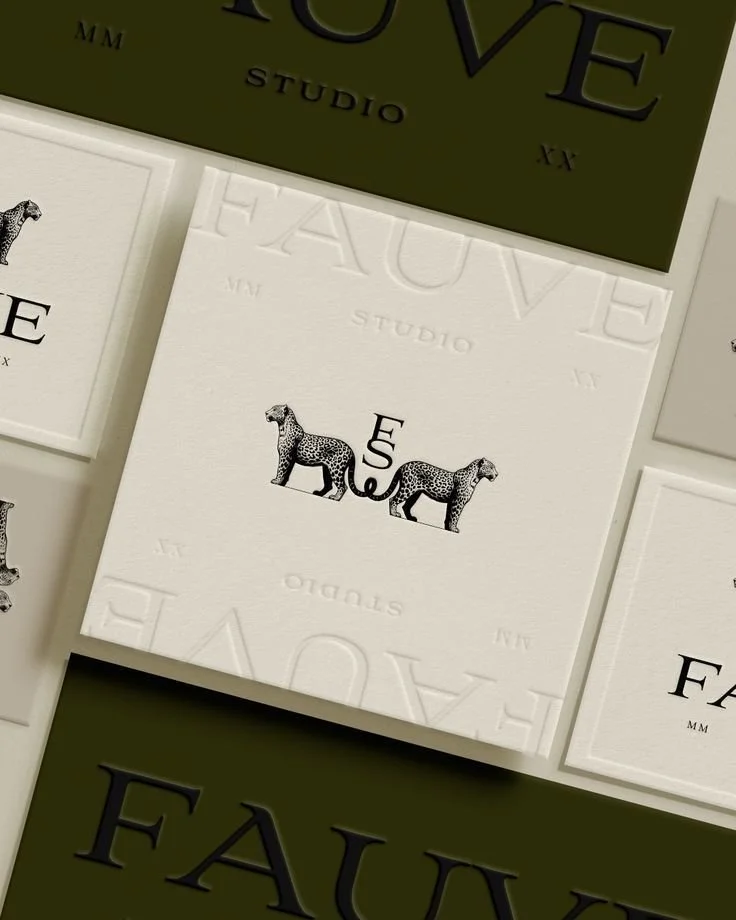
Packaging: Luxury Language
How premium brands are redefining value, desire, and trust through design
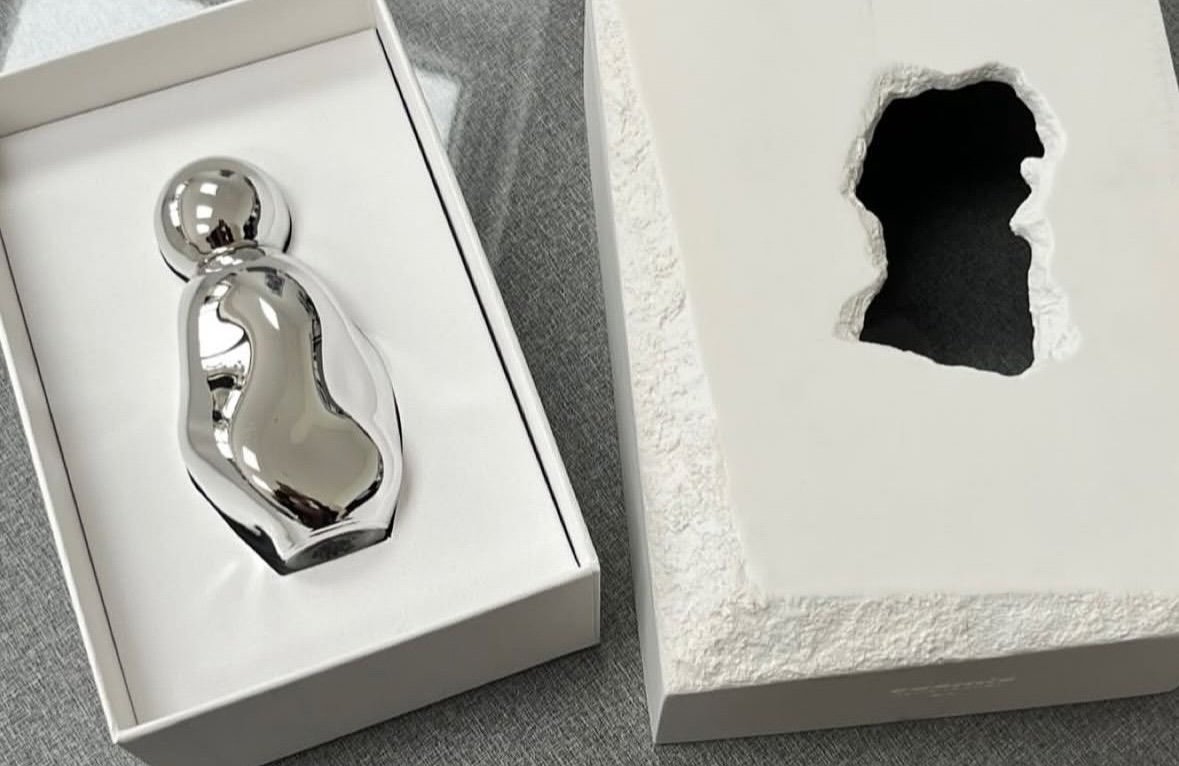
In today’s luxury landscape, packaging is no longer a finishing touch.
It’s often the first physical interaction a customer has with a brand, and increasingly, the moment where value is either confirmed or questioned.
As the luxury market recalibrates, packaging has quietly moved to the centre of brand perception. Not as spectacle, but as signal. What something is made of, how it opens, how long it lasts, and what happens to it afterwards now speak louder than logos ever did.
From Display to Meaning
In recent decades, luxury packaging was about excess: weight, gloss, layers, and ceremony for ceremony’s sake. Today, that visual shorthand feels increasingly out of step with consumer expectations.
Modern luxury consumers are informed, environmentally aware, and highly sensitive to incoherence. They notice when a brand speaks about craft but delivers disposable packaging, or claims sustainability while overengineering every box.
Packaging has become the place where brand promises are tested.
Rather than asking “Does this look expensive?”, consumers are asking:
“Does this make sense?”
Material Honesty
One of the most significant shifts in premium packaging is the embrace of material authenticity.
Natural fibres, paper-based structures, refill systems, and bio-derived materials are no longer perceived as “less than.” When executed with intention, they communicate confidence, restraint, and intelligence.
Luxury today isn’t about hiding materials, it’s about standing behind them.
This shift has reframed sustainability from a constraint into a creative opportunity. Brands that succeed here don’t treat eco-conscious choices as technical footnotes; they integrate them into the aesthetic and emotional experience. The result feels modern, credible, and quietly assured.
A Designed Experience
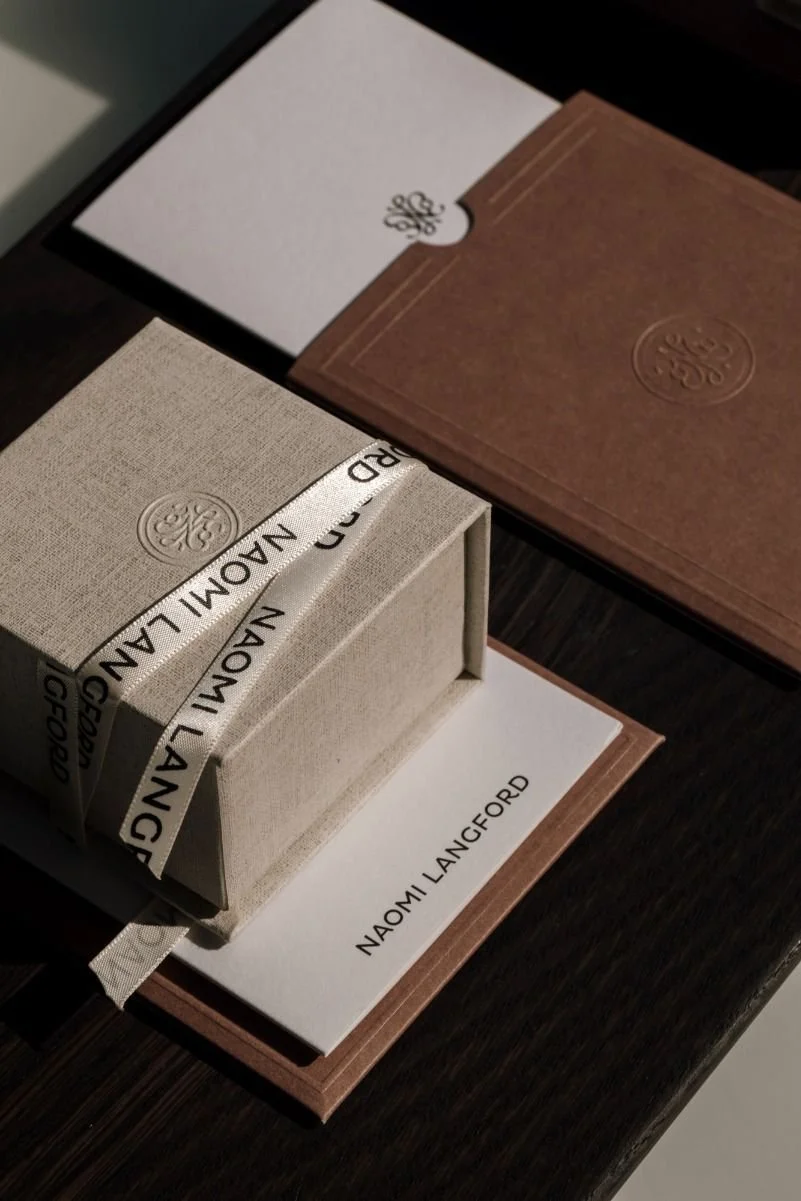
Packaging has also become a powerful tool for experience design.
Opening mechanisms, modular components, refills, and reusability turn packaging into a ritual rather than a one-time gesture. These moments extend the brand beyond the shelf and into daily life, reinforcing emotional connection and perceived value over time.
In this context, packaging isn’t disposable; it’s performative.
Not in a loud way, but in how thoughtfully it accompanies the product throughout its lifecycle.
This matters because luxury consumers increasingly value longevity over immediacy. Packaging that evolves with use, or reappears through refills, signals that a brand is thinking beyond the transaction.
Minimal or Maximal?
There is no single visual direction dominating luxury packaging right now. Instead, there’s a widening gap between brands with a clear point of view and those without one.
On one end, we see highly refined minimalism: precision, calm palettes, perfect proportions, and meticulous detailing. On the other, expressive packaging that leans into ornamentation, colour, and bold form.
What unites the strongest examples is not style, but coherence.
Consumers respond to packaging that feels intentional and aligned with the brand’s wider world: product, pricing, communication, and experience. Confusion, not boldness, is what erodes trust.
Packaging as Proof of Value
As luxury pricing comes under greater scrutiny, packaging plays a subtle but critical role in justifying cost.
When materials, structure, tactility, and usability are thoughtfully designed, packaging reinforces the perception that a product is worth investing in. When it feels generic, excessive, or contradictory, it raises uncomfortable questions.
In this sense, packaging is no longer a cost centre, it’s part of the value proposition.
It bridges the gap between brand narrative and lived experience, translating abstract positioning into something tangible and immediate.
Designing for a More Conscious Future
Looking ahead, packaging will continue to be one of the most powerful indicators of how seriously a luxury brand takes its values.
The brands that resonate will be those that treat packaging as a system:
designed for longevity, clarity, and emotional relevance - not just visual impact.
This means embracing innovation where it adds meaning, simplifying where it doesn’t, and making deliberate choices that customers can intuitively understand.
In a market where consumers are more selective, more skeptical, and more values-driven, packaging is no longer just what a product comes in. It’s how a brand shows what it stands for.
Packaging is no longer the end of the journey. It’s the beginning of belief.
Whether you’re launching, repositioning, or future-proofing a range, UNYQ can audit your current packaging ecosystem and identify where design can better express value, coherence, and responsibility.