
Personal Branding Is Broken.
Personal branding has become one of the defining business obsessions of the last decade.
Founders are expected to build audiences. Executives are encouraged to become content creators.
Visibility is increasingly treated as a requirement for credibility.

Artwork: Ramisha Sattar
But at the same time, audiences have never been more sceptical.
The internet is saturated with polished opinions, performative authenticity and carefully engineered founder personas. Everyone is building a personal brand, yet trust feels increasingly fragile.
At UNYQ, we believe the reason is simple:
There is a difference between branding and reputation.
One can be manufactured quickly.
The other has to be earned.
The contradiction of personal branding
A brand relies on consistency, structure and recognisable signals - Human beings do not. Real people are contradictory, evolving and imperfect. Businesses pivot. Opinions change. Founders grow. Yet online culture increasingly rewards polished certainty. The perfect routine. The flawless founder. The highly curated “authentic” voice. In a recent conversation on the Creative Boom podcast, designer and founder James Martin described it perfectly: “Reputation is built on evidence.” That distinction matters more than ever. Visibility alone no longer creates trust.
Branding amplifies, Reputation validates.
At UNYQ, we see branding as amplification, not fabrication. Strong branding should not invent credibility where none exists. It should clarify and strengthen what is already true.
The strongest founder brands are rarely built through visibility alone. They are built through:
Expertise
Consistency
Perspective
Relationships
Delivery
Lived experience
Trust over time
Branding simply makes those qualities more recognisable. Without substance underneath, branding eventually becomes performance, and audiences are becoming increasingly skilled at recognising the difference.

The problem with performative expertise
Social media has made it incredibly easy to manufacture perception. A founder can create polished content, repeat industry opinions and appear highly credible within months. Entire industries now exist around teaching people how to “position themselves” online.
The issue is not visibility itself, it is when visibility becomes disconnected from reality. As AI accelerates content production even further, surface-level branding is becoming less valuable on its own. Competent visuals, persuasive copy and polished thought leadership are now easier than ever to generate.
What remains difficult to replicate is:
Judgement
Taste
Integrity
Consistency
Perspective
Lived experience
In other words: reputation.
From audience-building to trust-building
For years, digital culture rewarded reach above all else. Follower counts became status signals. Virality became strategy.
But the landscape is evolving: consumers and clients are becoming more selective about who they trust and why, especially in premium industries; people are increasingly drawn toward brands and founders who feel coherent rather than performative.
The founders building lasting relevance today are not always the loudest; they are the most believable. Their communication aligns with their behaviour. Their positioning reflects real experience. Their reputation reinforces itself over time.
What personal branding should actually be
Personal branding is not inherently the problem. At its best, it is simply the process of making your perspective, expertise and values more visible. The problem begins when branding becomes disconnected from substance. Strong personal branding should not feel like performance. It should feel like clarity.
A clear articulation of:
What you believe
How you think
What you build
Why people trust you
That kind of branding is sustainable because it is grounded in reality. In a world increasingly shaped by algorithms, automation and manufactured perception, that may become the most valuable differentiator of all.


Case Study: Yves Saint Laurent
Yves Saint Laurent remains one of the clearest examples of reputation becoming inseparable from brand identity.
Long before “personal branding” became a business strategy, Saint Laurent built a world defined by perspective, attitude and cultural influence.
His authority did not come from constant visibility or self-promotion, but from consistency of vision. Every collection, campaign and silhouette reinforced the same recognisable point of view: sensuality, sharpness, rebellion and Parisian sophistication.
Decades later, the house of Saint Laurent still draws power from that original reputation, proving that the strongest brands are often built not through performance, but through a deeply coherent identity sustained over time.
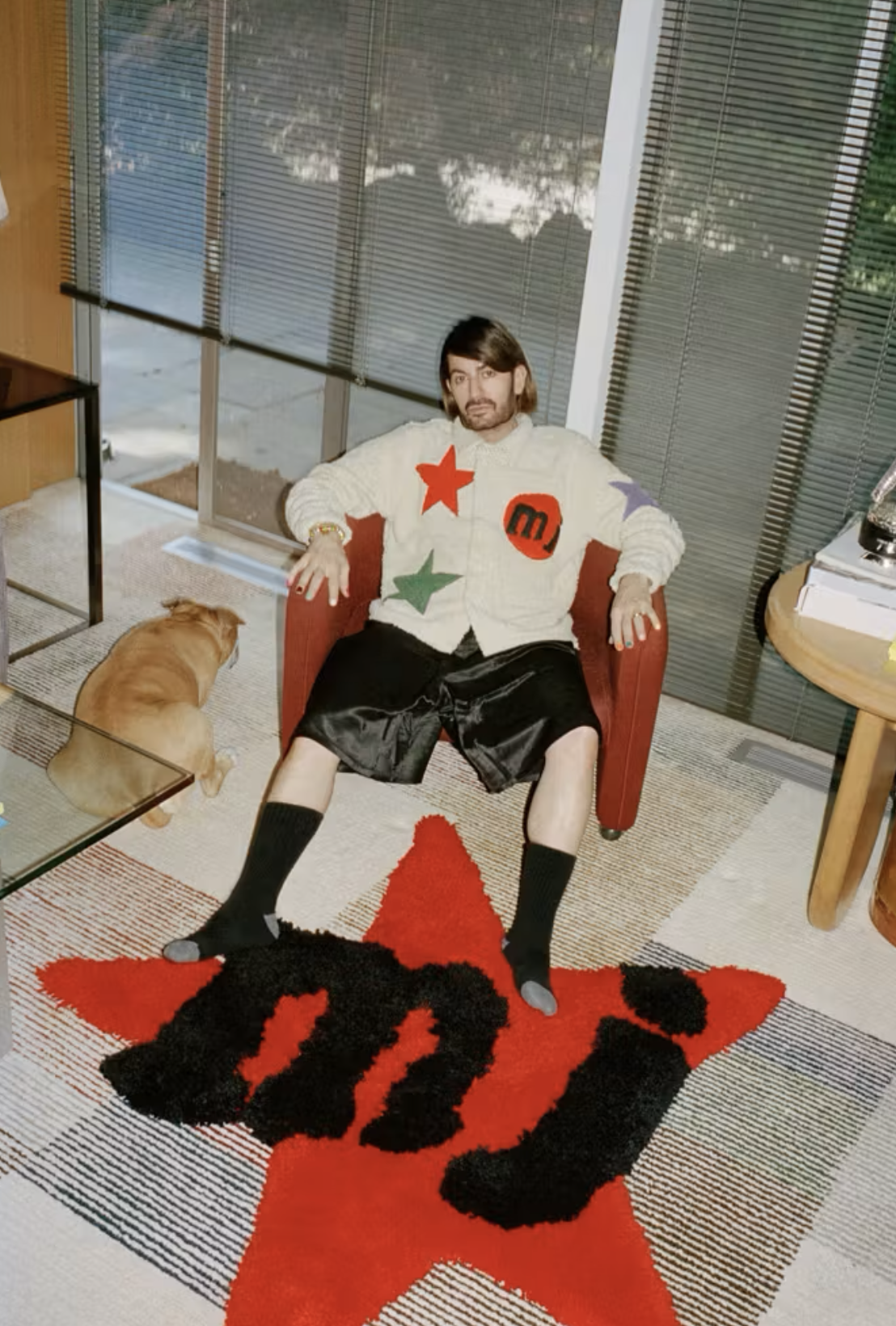
Case Study: Marc Jacobs
Marc Jacobs is a strong example of a personal brand built through individuality rather than polish. Throughout his career, Jacobs cultivated a reputation that felt deeply human, emotionally driven and culturally curious, allowing both himself and Marc Jacobs (the brand) to remain relevant across generations.
His personal identity, from his openness and vulnerability to his eclectic creative references, became inseparable from the brand’s wider universe.
What makes Marc Jacobs particularly interesting in the context of modern personal branding is that his influence was never built solely on visibility, but on authenticity of perspective. The brand feels recognisable not because it follows trends, but because it consistently reflects a clear and evolving creative personality.

Case Study: Chappell Roan
Chappell Roan is a compelling example of modern personal branding done through radical coherence. Every aspect of her world, from the theatrical visuals and hyper-feminine styling to the humour and vulnerability woven throughout her performances, feels intentionally aligned.
What makes her particularly powerful is that the brand never feels manufactured for mass appeal. Instead, it feels deeply specific, emotionally honest and culturally self-aware. In an era where many artists are pressured into algorithm-friendly sameness,
Chappell Roan has built recognition through distinctiveness. Her growing influence demonstrates that audiences increasingly connect with strong perspective, emotional clarity and a fully realised creative universe.